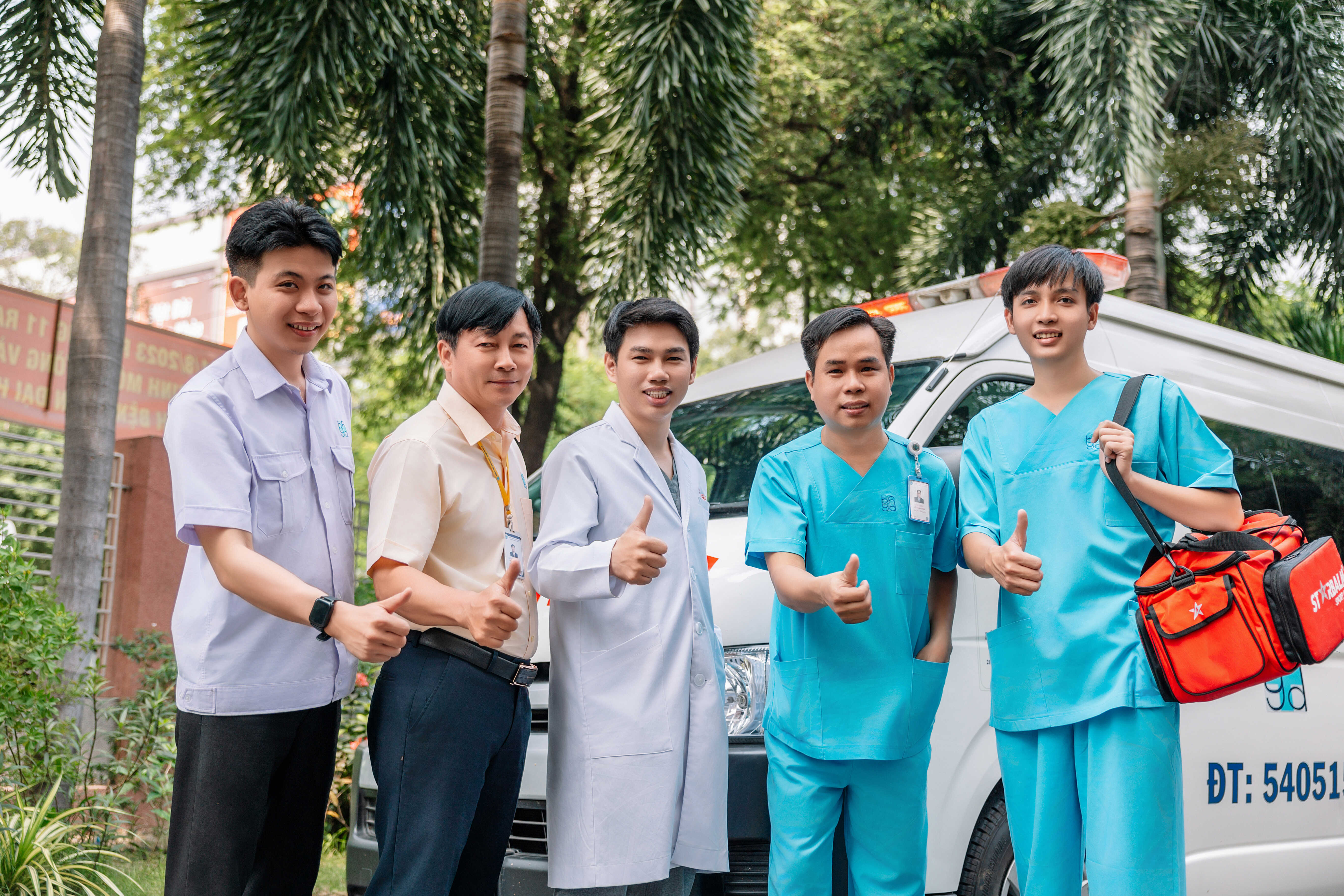

In addition to its clinical responsibilities, the Emergency Department actively expands international collaboration by welcoming medical students from hospitals and universities across Europe and Asia for clinical internships and training. The department also provides undergraduate and postgraduate education, promotes training programs and technology transfer, and offers professional support to local hospitals. These initiatives aim to further enhance professional expertise and emergency care experience, thereby increasing treatment opportunities and improving life-saving outcomes for a greater number of patients.
Emergency Department
Email: capcuu@umc.edu.vn
Địa chỉ: Tầng trệt - Khu A
SĐT: 028 3952 5115 - 028 3952 5165
Giới thiệu
Acute stroke, acute myocardial infarction, acute respiratory failure, and similar conditions are sudden life-threatening emergencies that can occur at any time in daily life. These situations require timely and effective emergency care to preserve patients’ health and save lives.
At the Emergency Department of Bệnh viện Đại học Y Dược TP. Hồ Chí Minh, a highly professional team, supported by modern medical equipment, extensive experience, and strong dedication, is always ready to receive emergency admissions. Especially for time-critical emergency conditions, the department maximizes multidisciplinary coordination, working with flexibility, speed, and precision in diagnosis and treatment to seize the “golden hour” and save patients from the boundary between life and death.
Regardless of day or night, and without distinction between mild or severe cases, the Emergency Department staff consistently provide compassionate reception and dedicated care, while applying advanced medical techniques whenever patients require emergency treatment. Therefore, throughout many years of operation, the department has remained a trusted destination for millions of patients who place their confidence in its services.
Thế mạnh chuyên môn
The Emergency Department of Bệnh viện Đại học Y Dược TP. Hồ Chí Minh is a member of the Hội Hồi sức cấp cứu TP. Hồ Chí Minh and the Hội Hồi sức cấp cứu và chống độc Việt Nam. With its professional expertise, the department is capable of managing all emergency cases across medical specialties, ensuring rapid and accurate treatment while maintaining effective coordination with other specialties in emergency consultations and inter-hospital consultations.
- Surgical Emergencies: Ruptured liver tumors, hollow viscus perforation, severe biliary tract infections, complicated gastrointestinal tumors, incarcerated inguinal hernia, intussusception, penetrating chest injuries, acute arterial occlusion, aneurysms and vascular malformations, massive pleural effusion and pneumothorax, etc.
- Cardiovascular Emergencies: Hypertensive crisis, acute coronary syndrome, acute heart failure, severe cardiac arrhythmias, acute pulmonary edema, etc.
- Neurological Emergencies: Acute stroke, myasthenic crisis with respiratory failure, acute compressive neurological syndromes, etc.
- Respiratory Emergencies: Acute respiratory failure, acute pulmonary edema, severe bronchial asthma attack, acute exacerbation of chronic obstructive pulmonary disease (COPD), acute pneumothorax, pulmonary embolism, etc.
- Gastrointestinal Emergencies: Hepatic coma, acute liver failure, gastrointestinal bleeding, severe acute pancreatitis, etc.
- Endocrine Emergencies: Hyperosmolar hyperglycemic state (HHS), diabetic ketoacidosis (DKA), thyroid storm, etc.
.jpg)
Đào tạo & Nghiên cứu
The Emergency Department provides education and training for undergraduate and postgraduate trainees, including medical students, Specialist Level I (CKI) physicians, Specialist Level II (CKII) physicians, master’s students, and doctoral candidates. In addition, the department conducts Continuing Medical Education (CME) programs such as training for emergency physicians and nurses, as well as pre-hospital emergency care and first aid training.
Beyond its internal activities, the Emergency Department of Bệnh viện Đại học Y Dược TP. Hồ Chí Minh also expands training initiatives and technology transfer programs, while providing professional support to local hospitals. These efforts aim to further enhance emergency care expertise and clinical experience, thereby increasing treatment opportunities and improving life-saving outcomes for a larger population.
Trang thiết bị
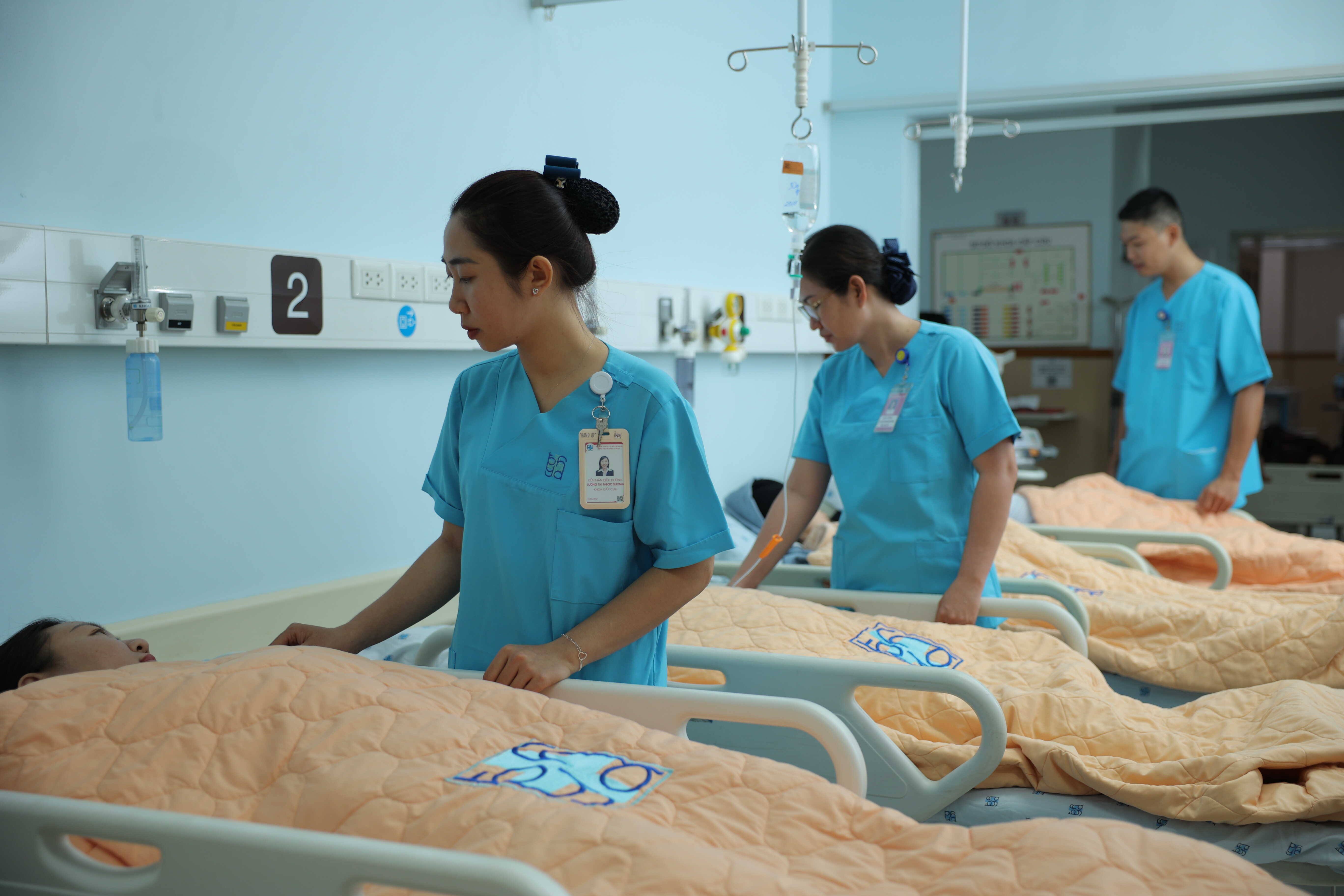
The Emergency Department is equipped with modern medical equipment and advanced technologies to fully meet patients’ first aid and emergency care needs, including ventilators, temperature management systems, High-Flow Nasal Cannula (HFNC) devices, blood gas analyzers, defibrillators, ultrasound machines, patient monitors, electrocardiogram (ECG) machines, syringe pumps, infusion pumps, blood warming devices, cardiac output monitoring systems, bedside X-ray machines, CT scanners, MRI systems, and Digital Subtraction Angiography (DSA) systems.
In addition, the department is equipped with a specialized 30-bed inpatient system, fully supported by advanced medical equipment, ensuring continuous patient care and monitoring 24 hours a day, 7 days a week.
Furthermore, the department operates eight modern ambulances, fully capable of meeting patient transportation needs in all emergency situations.
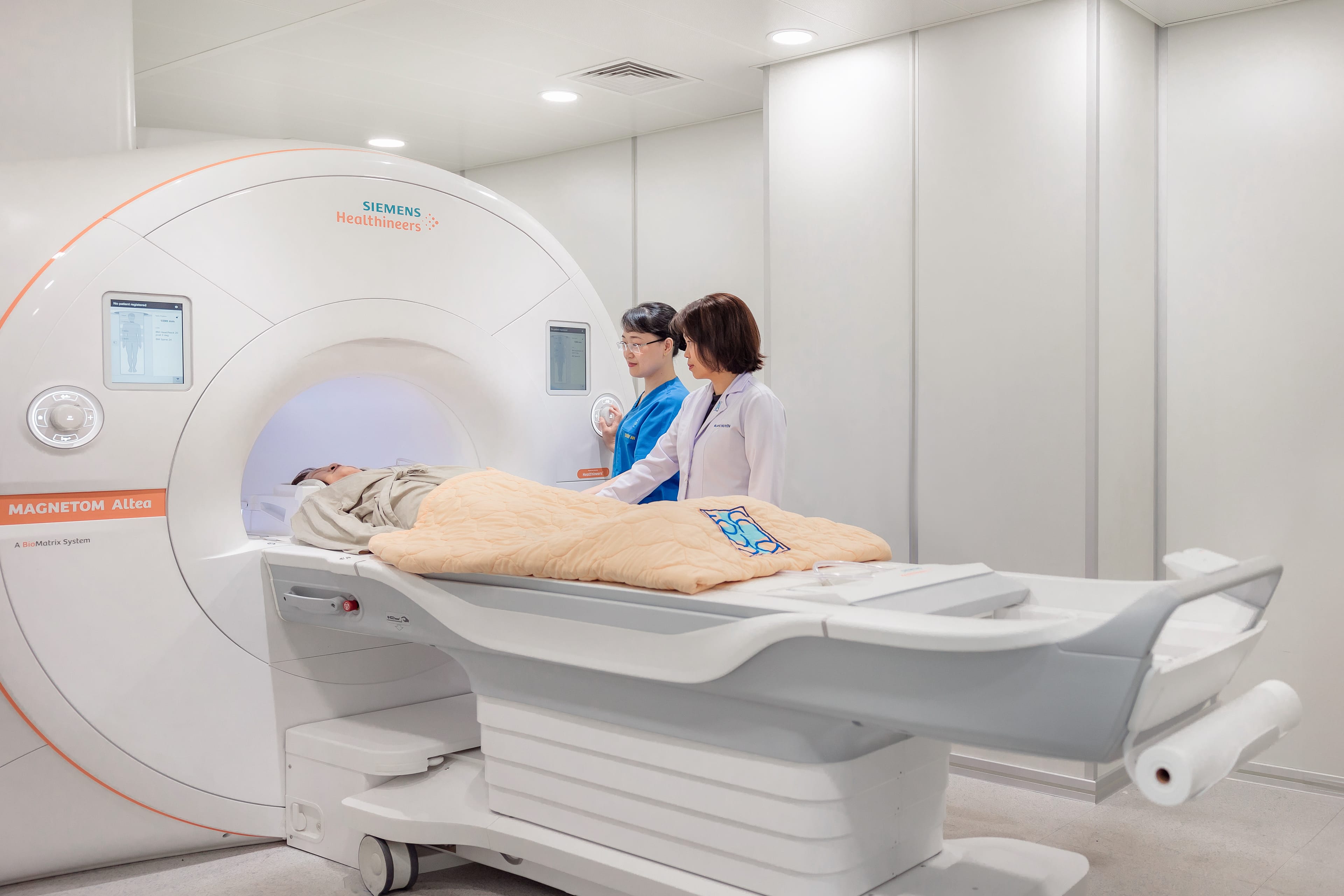
Máy MRI
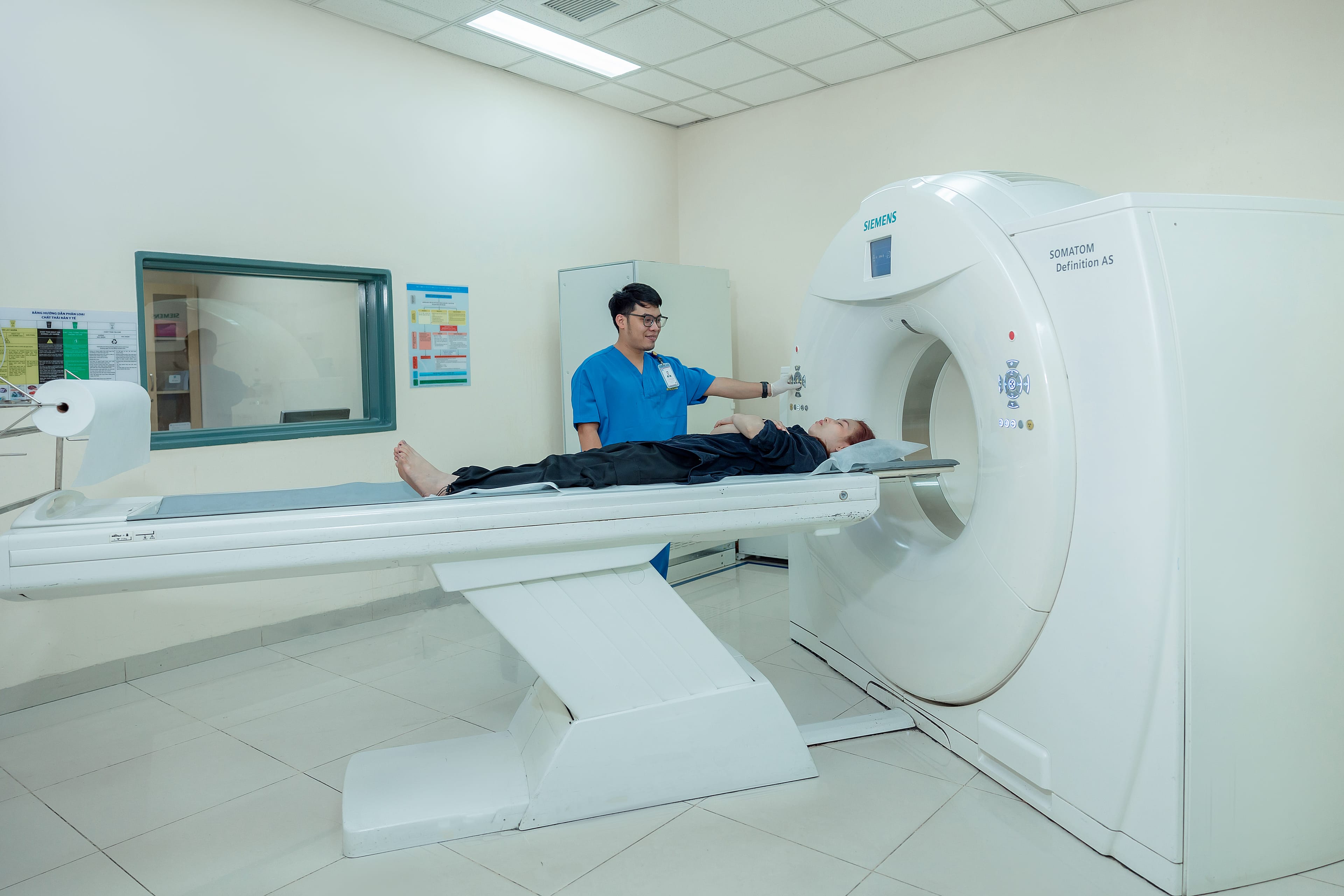
Máy CT Scanner
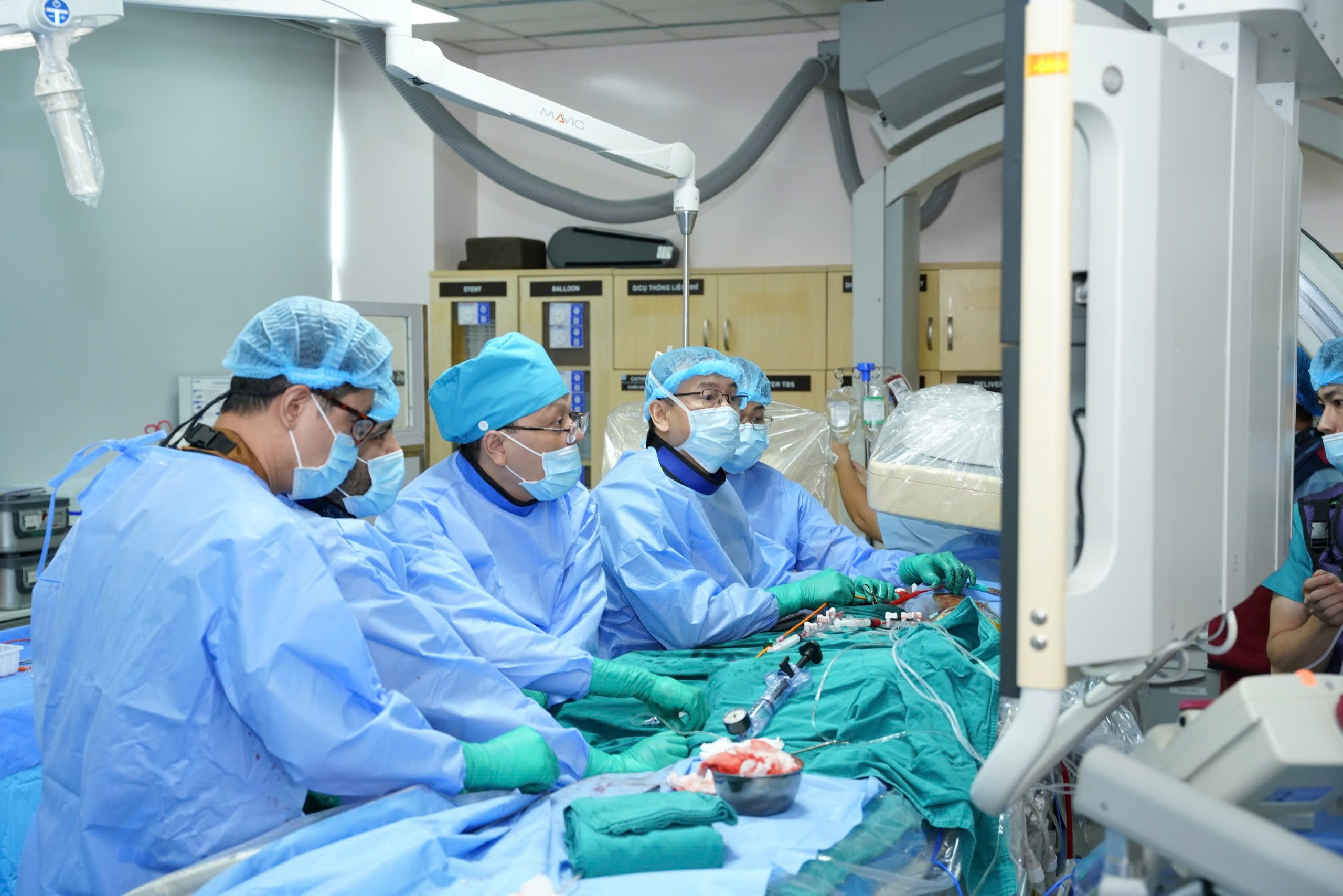
Máy DSA
Máy MRI
Máy CT Scanner
Máy DSA
Máy MRI
Máy CT Scanner
Máy DSA
Đội ngũ nhân sự
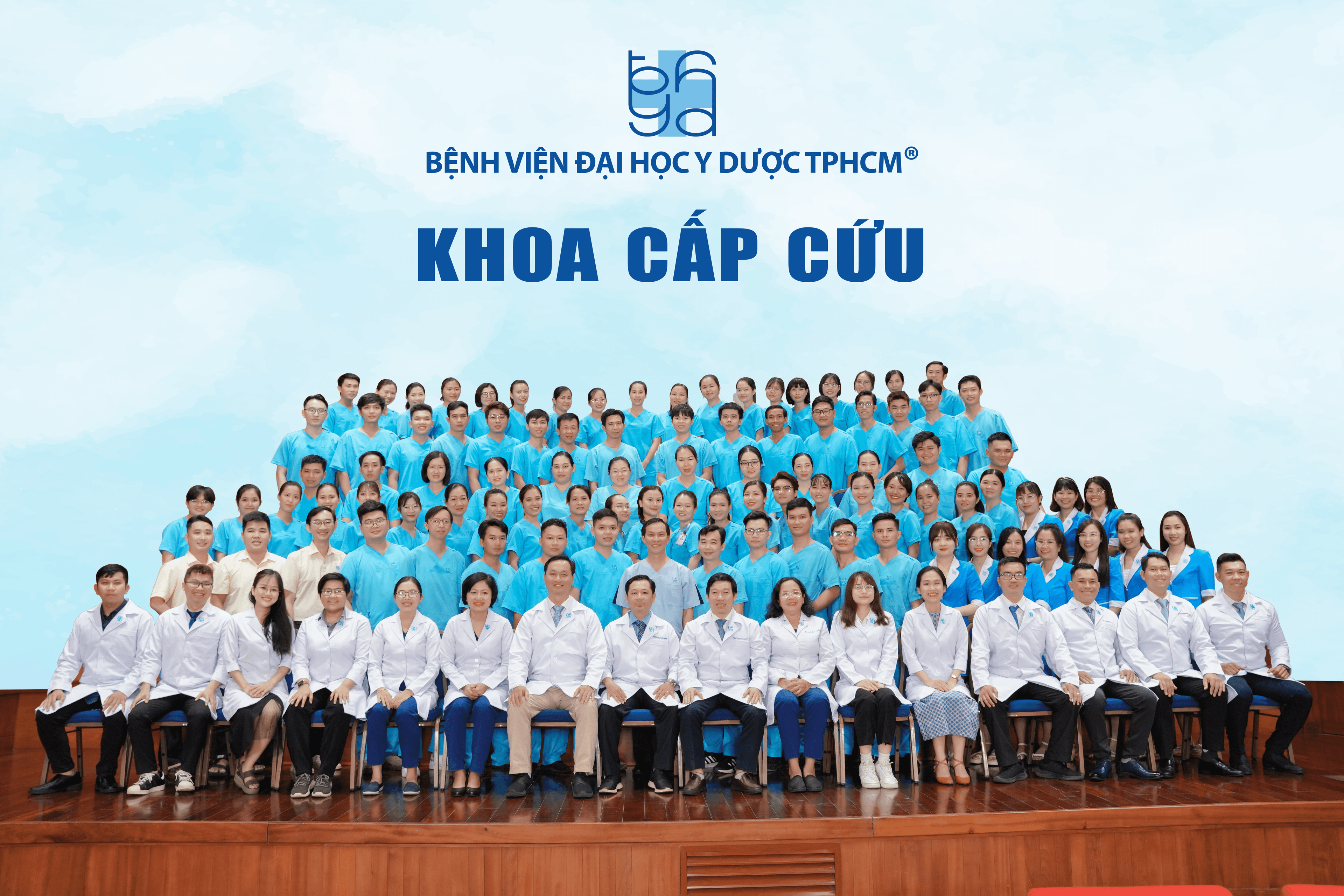
The Emergency Department currently consists of more than 20 physicians, 80 nurses, 14 healthcare assistants, and 12 medical secretaries. Physicians, nurses, and healthcare assistants are responsible for clinical treatment and patient care, while the medical secretary team actively supports and guides patients and their families through admission procedures, health insurance and social insurance processes, as well as other administrative documentation.
Among the medical staff, 50% of physicians have over 10 years of experience in emergency medicine, and more than 90% hold postgraduate qualifications. Over 50% of nurses possess master’s degrees or bachelor’s degrees in nursing, while healthcare assistants and medical secretaries hold college or intermediate-level professional qualifications or higher.
Each duty shift is led by a shift leader physician and a head nurse who serve as key coordinators. They receive continuous professional training, possess extensive clinical experience, demonstrate strong management and teamwork capabilities, and closely supervise and coordinate the work of all team members. Duty teams operate cohesively as interconnected units. Professional and managerial activities are reviewed and self-evaluated monthly to ensure continuous improvement, fairness, and high professional standards.